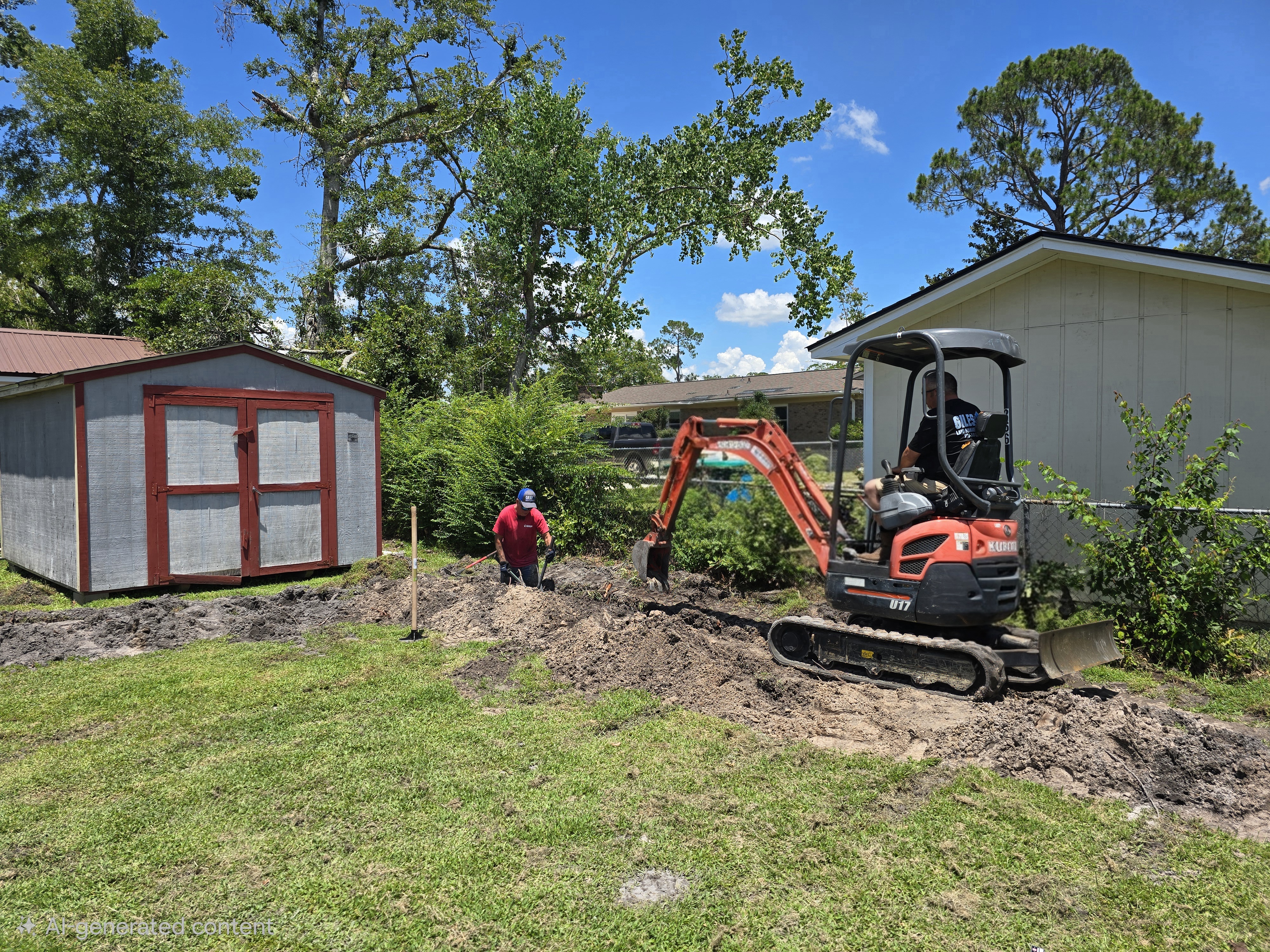
Beyond Aesthetics: The Strategic Importance of Land Clearing in Urban Planning Dec 07, 2025
Urban planning is about more than just creating visually appealing landscapes; it involves crafting spaces that cater to the community’s social, economic, and environmental well-being. Land clearing plays a vital role here, as it sets the stage for future development while ensuring the environment and ecosystem remain balanced. By removing unwanted vegetation, debris, and other obstacles, land clearing creates a blank canvas for architects and planners to work with, ensuring that projects commence on time and within regulation.
From a strategic perspective, land clearing significantly reduces the risk of fire hazards. In many urban areas, particularly those in fire-prone regions, dense underbrush and accumulated dry vegetation can pose significant threats. By systematically clearing land, especially in buffer zones around urban developments, we mitigate these risks. This isn’t just about safeguarding properties and infrastructure—it's about protecting lives.
Moreover, land clearing enables more efficient land use and planning. For urban planners, working with a cleared site allows for a more accurate assessment of the land’s potential. This includes evaluating the topography, soil stability, and drainage patterns, all of which are crucial in determining the feasibility and scope of development projects. Land clearing eliminates uncertainties, helping planners make informed decisions that align with structural and environmental standards.
Sustainability is another cornerstone of modern urban planning, and land clearing contributes to this goal by promoting biodiversity. While clearing land might initially seem counterintuitive to maintaining ecological balance, strategic and regulated clearing supports controlled plant growth and the introduction of native species that foster biodiversity. This careful management of land after clearing can lead to healthier ecosystems and contribute to urban spaces that harmonize with nature.
Economically, land clearing optimizes development costs. By preparing a site with thorough land clearing, developers can avoid unexpected delays and expenses associated with clearing during later construction phases. At Giles Land Management, LLC, we ensure that our land clearing services are efficient, cost-effective, and comply with all regulatory requirements, thereby providing substantial savings in time and resources for our clients.
Land clearing also holds social importance in urban planning. It helps in creating safer and more accessible public spaces, such as parks and recreational areas. By maintaining these areas through strategic land clearing, urban planners can ensure they remain spaces of leisure and community engagement, enhancing the quality of life for residents.
While it’s easy to overlook land clearing as a simple preparatory task, its role in shaping resilient, functional, and sustainable urban environments is undeniable. At Giles Land Management, LLC, we pride ourselves on our commitment to transforming land to meet the dual goals of development and ecological stewardship. As urban areas continue to grow and evolve, so too should our understanding and implementation of essential processes like land clearing. For residents and planners alike, appreciating this step goes well beyond the visuals, fostering spaces that are safe, sustainable, and welcoming for generations to come.
/filters:no_upscale()/filters:format(webp)/media/3aae1e6c-ef70-4923-8bc3-fec013771e90.jpeg)