Eco-Innovations in Land Management: Pioneering Sustainable Clearing Solutions Mar 27, 2026
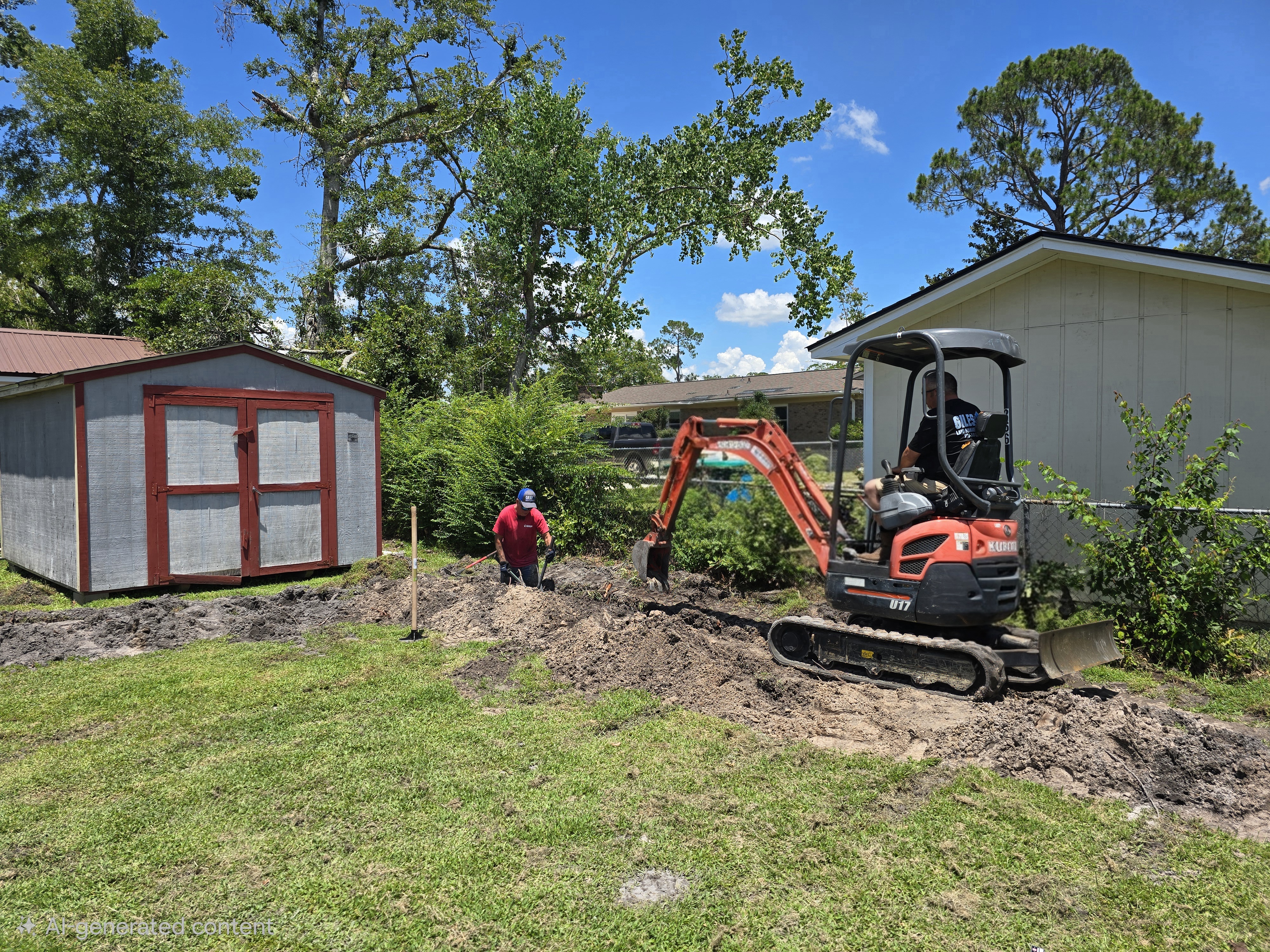
One of the primary eco-innovations in land management is the use of low-impact clearing techniques. Traditional land clearing methods often involve heavy machinery and can lead to soil erosion and habitat destruction. In contrast, low-impact clearing minimizes disruption to the environment. Techniques such as selective clearing and mulching preserve soil integrity and reduce waste, allowing for a more controlled alteration of the landscape. By maintaining key ecological features, these methods support local biodiversity, reflecting a commitment to environmental stewardship.
Another vital innovation is the integration of renewable energy resources. The use of solar-powered, electric equipment vastly reduces the carbon footprint associated with land clearing operations. This shift not only decreases reliance on fossil fuels but also cuts operational costs, creating a win-win scenario for both the environment and the business. Giles Land Management, LLC emphasizes this strategy, seeking to enhance efficiency while contributing to a reduction in overall greenhouse gas emissions.
Biological control measures also represent significant progress in the realm of sustainable land management. Instead of relying on chemical herbicides, Giles Land Management implements natural solutions to manage invasive plant species. By introducing specific types of grazing animals or employing organic herbicides, the company can maintain control over unwanted vegetation without harming surrounding ecosystems. This approach helps preserve native plant species, which are crucial for maintaining healthy ecosystems.
Moreover, technology plays a crucial role in advancing eco-friendly land clearing. GIS (Geographic Information Systems) and drone technology allow for precise planning and monitoring of land clearing projects. This technological edge enables companies to map out areas accurately, predict potential environmental impacts, and streamline operations accordingly. By using drones to survey sites before and after clearing, Giles Land Management gains real-time insights into their projects' environmental footprint, ensuring that each step taken is sustainable and scientifically informed.
Community and client collaboration are also central to sustainable land management practices. By working closely with local communities and stakeholders, companies can tailor their land clearing methods to reflect local environmental and social priorities. Giles Land Management values open dialogue, encouraging feedback and incorporating local knowledge to ensure their projects benefit both the land and its people. This collaborative ethic fosters trust and lays the groundwork for long-term sustainability and mutual success.
The shift towards sustainable clearing solutions in land management isn't just a passing trend; it's a necessary evolution for the industry. Companies like Giles Land Management, LLC are proving that it's possible to combine environmental responsibility with economic viability. By embracing low-impact clearing, renewable energy, biological controls, advanced technology, and community engagement, they set a precedent for eco-friendly operations that others in the field can follow.
As we continue to face unprecedented environmental challenges, the need for sustainable land management practices has never been more urgent. Through continuous innovation and a commitment to ecological sustainability, Giles Land Management is not only meeting the needs of today but is also paving the way for a sustainable future. Customers who choose to engage with companies focused on innovation and sustainability can rest assured that their land clearing projects will not only be effective but also contribute positively to the preservation of our environment.
/filters:no_upscale()/filters:format(webp)/media/3aae1e6c-ef70-4923-8bc3-fec013771e90.jpeg)