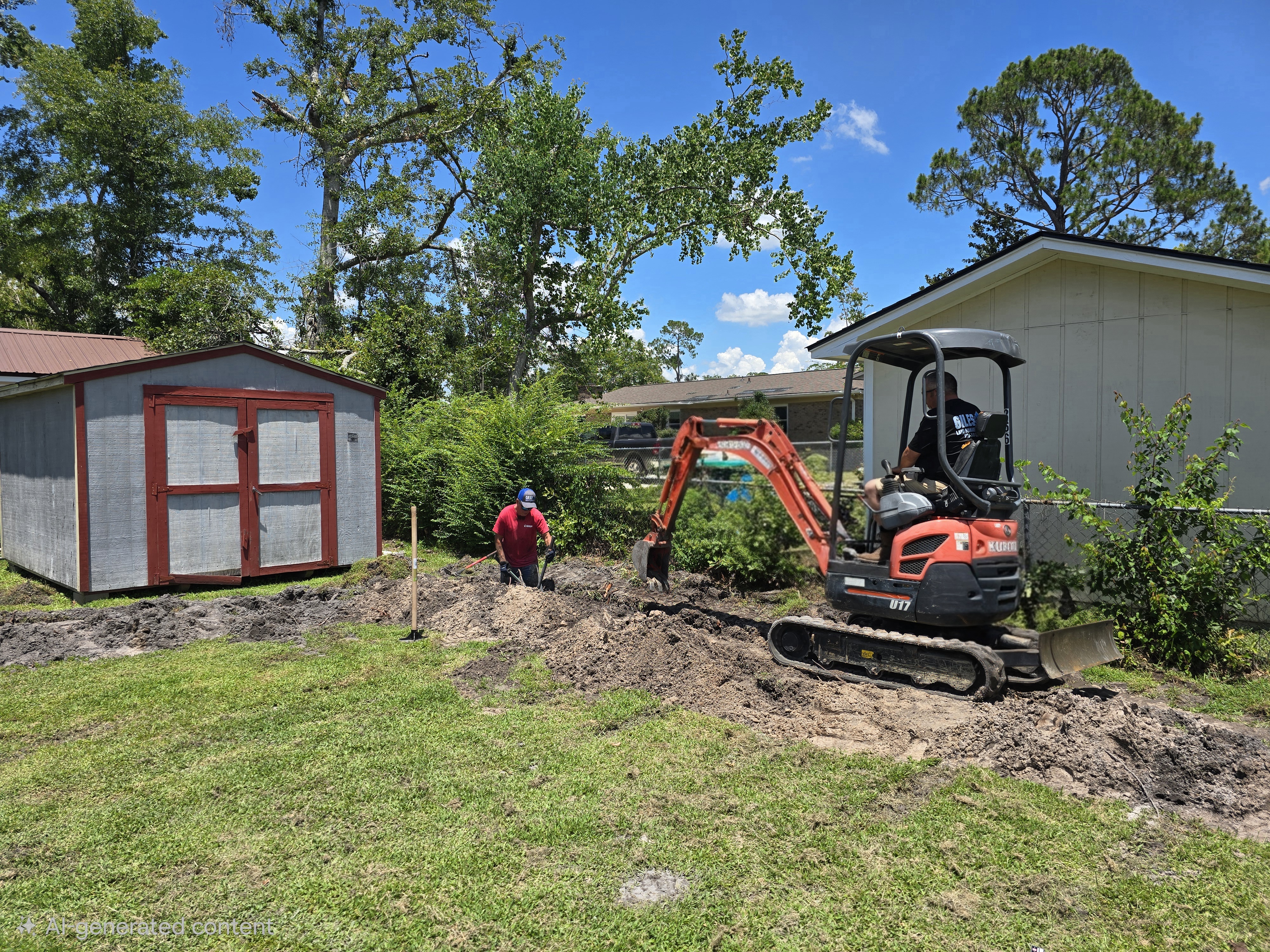
Embrace a Healthier Ecosystem: The Impact of Land Clearing on Local Biodiversity Dec 15, 2025
To begin with, let's explore what land clearing entails. Generally, it involves the removal of trees, stumps, brush, and other vegetation from a designated area for purposes such as construction, agriculture, or to prevent wildfires. Done mindfully, it presents an opportunity to rejuvenate and optimize the land for better ecological functions.
Firstly, one of the primary benefits of responsible land clearing is the reduction of invasive species, which often compete with native plants for resources. Giles Land Management, LLC understands the nuances of this delicate balance and employs strategic methods to prioritize native biodiversity. By removing invasive species, the native flora and fauna become less stressed, allowing them to thrive and maintain a robust ecosystem.
Land clearing also plays a crucial role in promoting healthier growth among remaining plant species. Overcrowded forests can lead to competition for light and nutrients, hindering the growth of individual plants. By carefully thinning out certain areas, land management professionals facilitate more accessible resources for the remaining plants. This not only improves the vigor of native vegetation but also enhances the overall health of the ecosystem.
An interesting aspect of strategic land clearing involves creating edge habitats—regions where different ecosystems meet. These areas often support a greater diversity of wildlife due to varied resources and conditions. Numbers show that many wildlife species, including birds and small mammals, thrive in the transition zones between cleared and uncleared lands. Thus, land management practices that incorporate edge habitats can contribute positively to biodiversity, offering new habitats for species that rely on specific conditions.
Furthermore, soil health is another critical area positively impacted by responsible land clearing. When done correctly, clearing overgrown areas can enhance nutrient distribution and reduce soil erosion. Polk professionals at Giles Land Management, LLC are adept at utilizing methods that prevent soil degradation, setting the stage for sustainable land use.
Perhaps one of the most significant ways land clearing supports biodiversity is by mitigating the risk of wildfires. Dense, unmanaged vegetation can lead to catastrophic fires that devastate local ecosystems. By implementing controlled clearing, the fuel load is significantly reduced, decreasing the likelihood of uncontrolled wildfires and their destructive impacts on wildlife habitats.
In conclusion, while the initial image of land clearing may evoke concerns about environmental impact, strategic land management executed by experienced professionals like those at Giles Land Management, LLC underscores its potential benefits. By thoughtfully integrating practices that enhance local biodiversity, reduce invasive species, create edge habitats, and prevent wildfires, land clearing can play a pivotal role in fostering a healthier and more balanced ecosystem. Property owners can rest assured that their landscapes are not only prepared for their intended use but are also contributing positively to the environmental community. Embracing these aspects of land clearing helps ensure a more sustainable future, supporting not just human needs but those of the broader ecological network.
/filters:no_upscale()/filters:format(webp)/media/3aae1e6c-ef70-4923-8bc3-fec013771e90.jpeg)