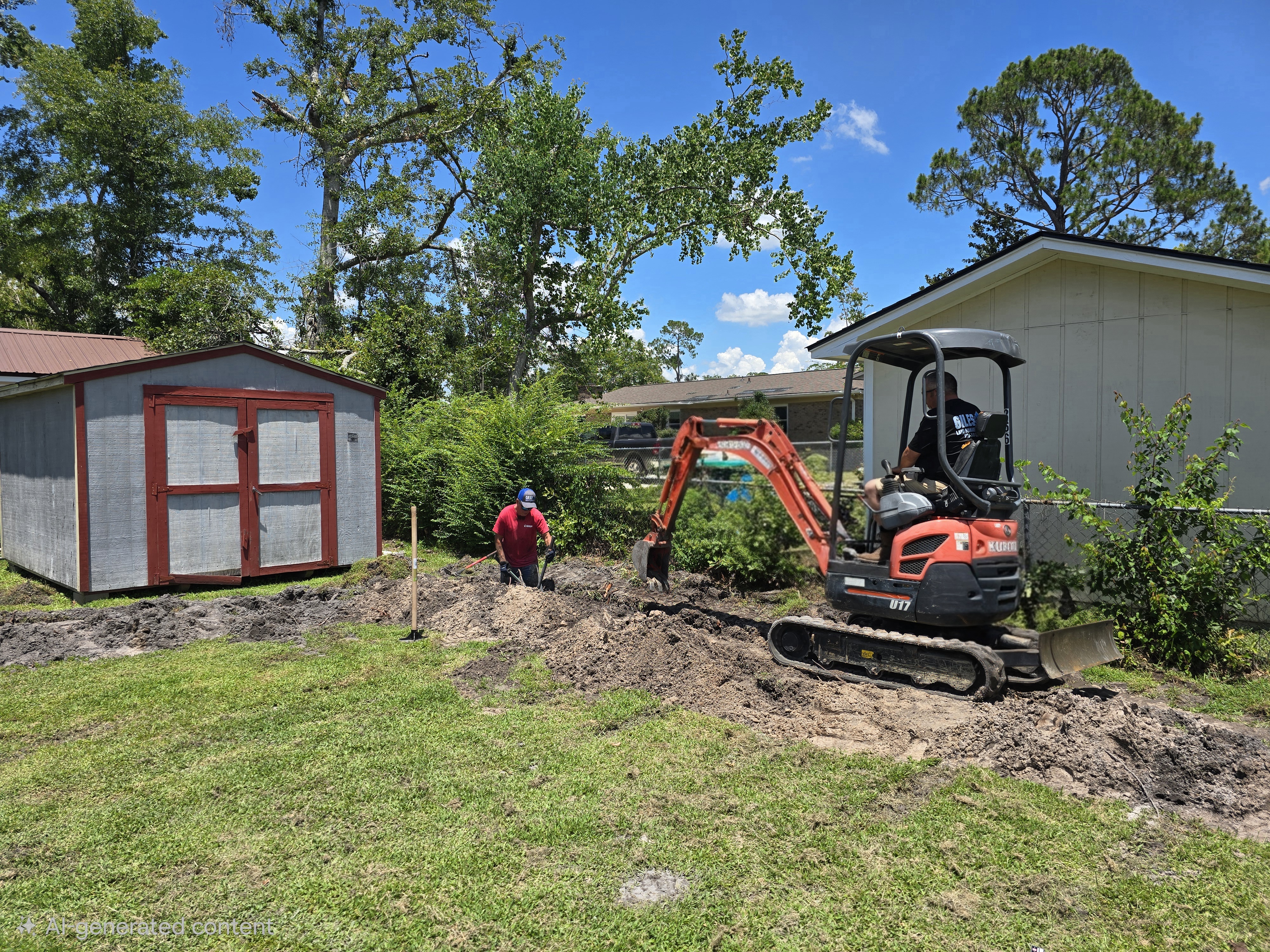
Enhancing Land Health: Strategies for Responsible Land Clearing Jan 22, 2026
Responsible land clearing is more than just removing vegetation. It involves a thoughtful approach that considers long-term ecological impacts. By adopting sustainable practices, landowners can ensure their land remains healthy and productive. The first strategy in responsible land clearing is embracing minimal disturbance. By only clearing the areas necessary for a project, you preserve as much of the natural landscape as possible. This method helps maintain biodiversity, ensuring native plant and animal species have a habitat to thrive in even as development proceeds.
Utilizing selective cutting is another effective strategy. Instead of removing all vegetation in an area, this method allows for the removal of specific plants or trees that may impede project goals. Selective cutting ensures that the land retains its ecological robustness, promoting a healthy environment that supports both the land and intended developments.
Incorporating erosion control measures is essential after clearing land. Without proper techniques, cleared land can lead to significant soil erosion, degrading the site and impacting local waterways. At Giles Land Management, LLC, we implement erosion control strategies such as planting ground covers or using silt fences to maintain the structural integrity of the soil. These measures not only protect the land but also prevent sediment runoff that can harm nearby streams and rivers.
Restoration and replanting are equally crucial in responsible land clearing. Once an area has been cleared, introducing native vegetation can help stabilize the soil, increase biodiversity, and improve the aesthetic appeal of the land. This process, known as revegetation, helps rejuvenate the landscape, making it more resilient to environmental changes and enhancing its natural beauty.
Implementing integrated pest management (IPM) can further support land health. IPM involves controlling pests and invasive species through natural means rather than relying on chemical pesticides. By encouraging natural predators and utilizing plant selection methods that deter pests, landowners can maintain a healthy ecosystem that reduces the need for chemical interventions.
Communication is key during any land clearing project. Engaging with experts like Giles Land Management, LLC ensures that all environmental considerations are taken into account. Our team is dedicated to working closely with clients to develop a customized land management plan that respects both the environment and project goals. With our expertise, we can help navigate the intricacies of land clearing to achieve a successful and sustainable outcome.
In conclusion, responsible land clearing is an essential practice for maintaining ecological balance and enhancing land health. By focusing on minimal disturbance, selective cutting, erosion control, restoration, and effective pest management, landowners can ensure their projects are both successful and environmentally friendly. Giles Land Management, LLC is committed to providing land clearing services that align with sustainable practices, ensuring that your land remains fertile and vibrant for generations to come. Whether you are a landowner or a developer, partnering with professionals who prioritize environmental stewardship will make all the difference in achieving a harmonious balance between growth and sustainability.
/filters:no_upscale()/filters:format(webp)/media/3aae1e6c-ef70-4923-8bc3-fec013771e90.jpeg)