Navigating Environmental Regulations: Land Clearing Solutions for Compliance Feb 06, 2026
At the heart of successful land clearing is a comprehensive understanding of environmental regulations. Federal, state, and local laws can vary significantly, impacting how and where land can be cleared. Key regulations often revolve around protecting water resources, preserving habitats, and maintaining air quality. Understanding these rules ahead of time is vital to avoid costly fines and project delays.
One of the primary considerations in land clearing is the protection of waterways. Regulations typically restrict actions that could harm these natural resources. For instance, the Clean Water Act requires permits for activities that may result in discharges into navigable waters. Working closely with professional land management services like Giles Land Management, LLC, ensures that you adhere to these regulations by implementing practices such as creating buffer zones and controlling runoff.
Another critical area is the preservation of habitats and ecosystems. Certain species are protected under the Endangered Species Act, which can influence land clearing projects. This means that developers must conduct environmental impact assessments before beginning any operations. These assessments identify potential impacts and propose mitigation strategies. With the guidance of experienced professionals, you can ensure that your land clearing efforts align with these conservation goals, thereby maintaining compliance.
Air quality is also a significant concern. Land clearing activities like burning and heavy machinery use can lead to air pollution. Adhering to air quality regulations means implementing methods to minimize dust and emission outputs. Strategies such as using low-emission equipment and scheduling work during times that minimize environmental impact are effective in maintaining air quality standards.
But beyond adhering to regulations, it's essential to cultivate sustainable land clearing practices. Sustainable practices not only ensure compliance but also enhance the health of the land for future use. This includes methods such as selective clearing, which involves removing only necessary vegetation, thus preserving natural biodiversity and reducing erosion risks.
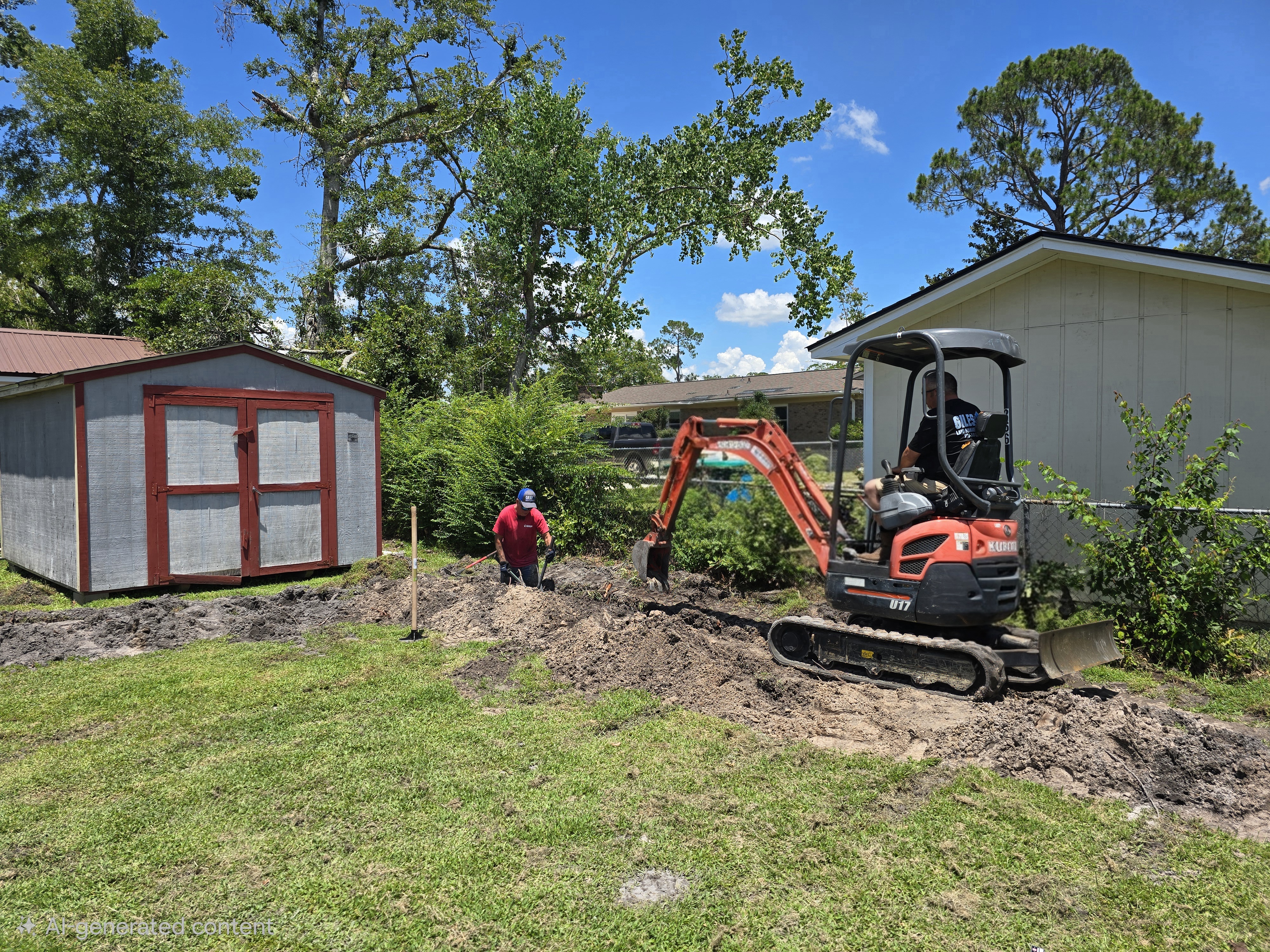
Engaging with experts like Giles Land Management, LLC simplifies the complex process of navigating these environmental regulations. They offer comprehensive site evaluations, develop strategic planning that respects regulatory requirements, and ensure that all activities conducted are within legal frameworks. This partnership not only provides peace of mind but also optimizes the operational efficiency of your project.
In conclusion, understanding and adhering to environmental regulations in land clearing is not merely about avoiding legal repercussions. It’s about fostering a sustainable approach to land use that respects and preserves our natural world. Giles Land Management, LLC is dedicated to guiding you through these regulatory landscapes, ensuring that your projects proceed smoothly, efficiently, and environmentally responsibly. Whether you're embarking on a new development or expanding existing operations, staying compliant is key to success. Let the experts assist you in making informed, regulation-compliant decisions that benefit your project and the environment alike.
/filters:no_upscale()/filters:format(webp)/media/3aae1e6c-ef70-4923-8bc3-fec013771e90.jpeg)