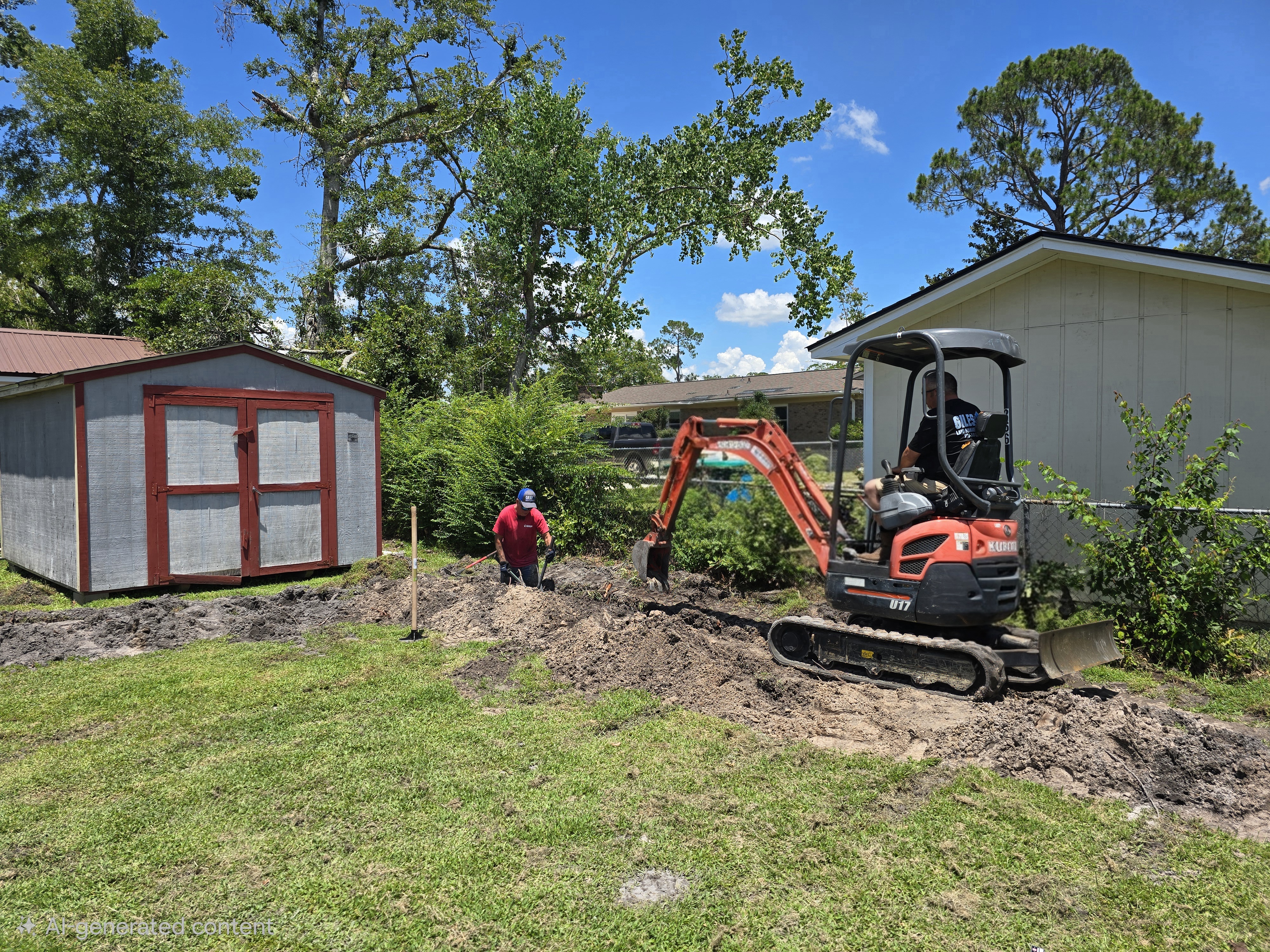
Safeguarding Natural Resources: How Responsible Land Clearing Promotes Environmental Health May 07, 2026
At its core, responsible land clearing involves the selective and strategic removal of trees, brush, and other vegetation to promote safety, accessibility, and biodiversity. Unlike indiscriminate clearing methods, responsible practices prioritize the protection of native ecosystems and mitigate negative impacts on the environment. This ecologically-minded method emphasizes careful planning and execution, ensuring that natural resources are preserved for future generations.
One of the key benefits of responsible land clearing is the enhancement of soil health. By removing only the vegetation necessary for particular goals, such as construction or fire prevention, these practices help retain the integrity of the soil. It prevents erosion, maintains soil fertility, and supports water conservation. Subtle techniques, such as chipping and mulching, further enrich the soil, providing essential nutrients and helping manage water runoff.
Biodiversity is another critical area positively impacted by conscientious land management. When executed with an eye towards the local ecosystem, land clearing practices can create habitats that support a variety of plant and animal species. This approach ensures that the land remains a thriving environment for indigenous wildlife, which is a cornerstone of ecologically sustainable development. By maintaining diverse habitats, we actively contribute to the ecological balance and protect endangered species from further habitat loss.
Moreover, responsible land clearing helps in effectively managing and mitigating the risk of wildfires. Strategic clearing reduces the volume of combustible material, creating buffer zones that shield properties and natural areas from fire hazards. This doesn't just protect human communities but also preserves the flora and fauna that make up the local ecosystems.
In urban areas, responsible land clearing is crucial in reducing invasive species that threaten indigenous plants and wildlife. Giles Land Management, LLC employs techniques that identify and remove invasive species, allowing native plants to flourish. This boosts the natural resilience of the ecosystem, promoting stronger native biodiversity and ensuring that local species remain robust against environmental stresses.
Water management is another vital aspect of sustainable land clearing. By balancing vegetation removal, water retention, and flow can be significantly improved, reducing the risks associated with flooding and maintaining the health of nearby water bodies. This careful attention to water dynamics ensures that a cleared area can sustain new vegetation and support wildlife, maintaining the cycle of life that thrives there.
To conclude, safeguarding natural resources through responsible land clearing not only nurtures environmental health but also paves the way for sustainable development. Giles Land Management, LLC exemplifies a comprehensive approach that prioritizes the ecosystem's needs while meeting human demands. By considering ecological factors in clearing practices, we secure the longevity and vitality of our landscapes. Clients looking for land clearing services should seek out companies like Giles Land Management, LLC, that prioritize environmental protection alongside practical land development needs. In doing so, we promote a healthier planet where both people and nature can thrive symbiotically.
/filters:no_upscale()/filters:format(webp)/media/3aae1e6c-ef70-4923-8bc3-fec013771e90.jpeg)