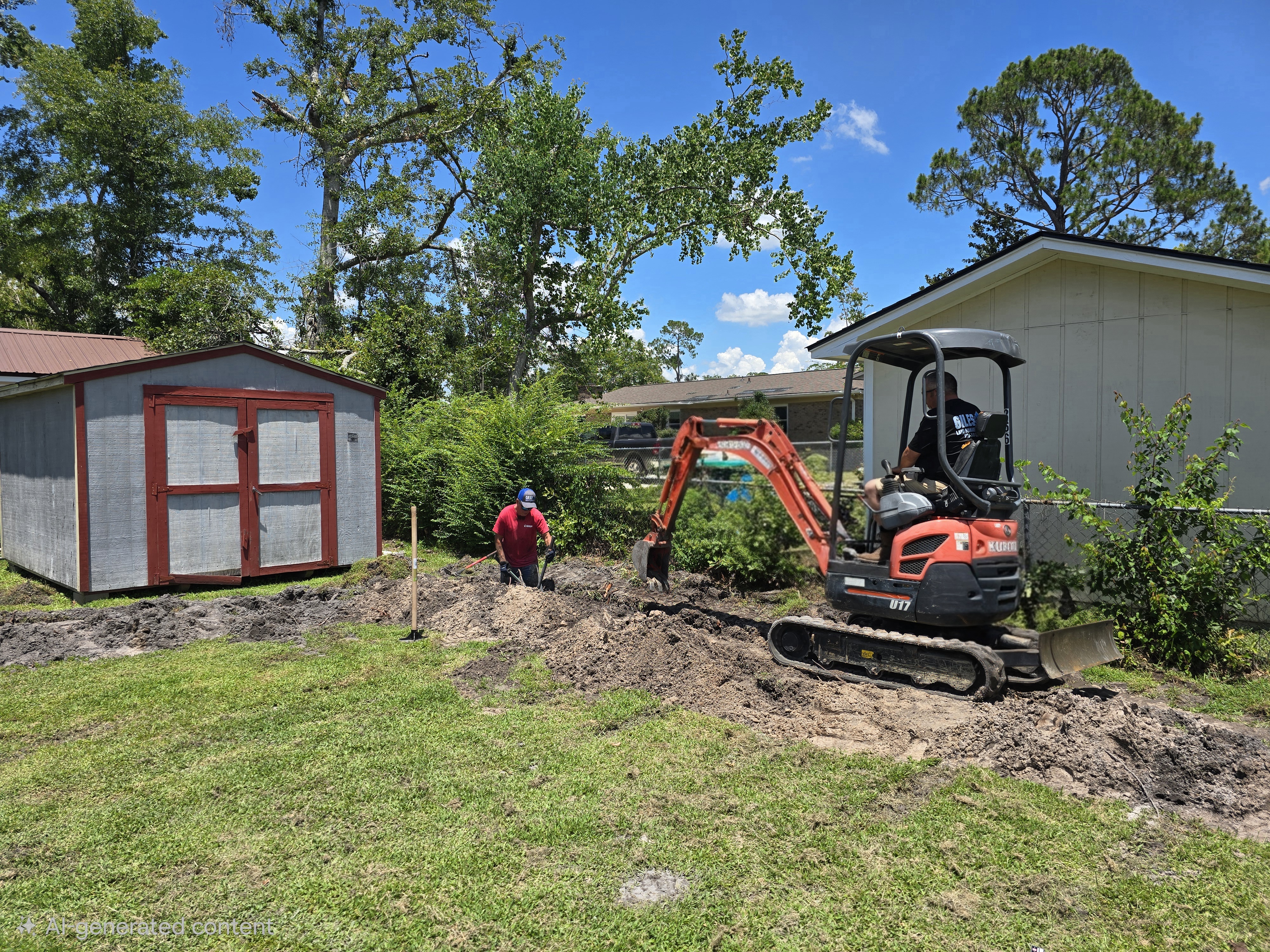
The Essential Guide to Safe and Efficient Land Clearing: Tips from Giles Land Management Dec 22, 2025
Land clearing involves removing trees, shrubs, and debris to make way for development or land improvement. It's a complex task requiring careful planning and execution to avoid accidents and damage to the environment. Safety should always be your top priority. This begins with a comprehensive assessment of the site. Understanding the terrain, identifying potential hazards, and evaluating the types of vegetation help you plan better.
Once you've assessed the area, check with local authorities about regulations and necessary permits. Compliance is key in preventing legal issues. Different regions have specific codes, especially concerning protected wildlife or plant species. A look into these regulations ensures your project stays within the legal framework.
Preparing for land clearing involves choosing the right equipment. The tools you need depend on the project's size and the type of vegetation you’re dealing with. For smaller projects, hand tools might suffice, whereas larger areas require heavy machinery like bulldozers or excavators. Using the correct tools not only makes the process more efficient but also safer.
Moreover, it’s prudent to hire professionals for the task. Companies like Giles Land Management bring not only the equipment but also the expertise needed to handle projects of any scale. Professional land clearing reduces the risk of accidents, as experienced crews are well-trained in safety practices and effective techniques.
Protecting the environment during land clearing is essential. Erosion control measures should be part of your plan. Leaving buffer zones alongside waterways and employing silt fences can prevent soil erosion. Furthermore, consider sustainable practices like mulching or chipping to dispose of the green waste. These methods promote recycling and reduce the environmental impact.
Before commencing work, ensure the team's safety by providing personal protective equipment and reinforcing safety protocols. Regularly inspect equipment to prevent malfunctions that could lead to accidents. Communication among team members also plays a vital role in maintaining a safe working environment.
Efficiency in land clearing doesn't just save time; it also controls costs. By organizing tasks sequentially and managing resources wisely, you can minimize downtime. For instance, strategically planning the removal sequence can improve workflow and resource allocation.
Regular check-ins throughout the process help in addressing unforeseen challenges promptly. Flexibility in your plan allows for adjustments and improvements to maintain momentum and adapt to circumstances as they arise.
In conclusion, land clearing requires a blend of planning, compliance, safety, and efficiency. By embracing these practices and potentially partnering with experienced professionals like Giles Land Management, you can ensure your project is completed on time, safely, and with respect to the environment. Whether you're a landowner or a developer, these guidelines will help make your land clearing process successful. For more guidance and expertise, consider reaching out to our team at Giles Land Management. We’re committed to providing exceptional land clearing services that meet and exceed your requirements.
/filters:no_upscale()/filters:format(webp)/media/3aae1e6c-ef70-4923-8bc3-fec013771e90.jpeg)